Forklifts are essential for moving materials efficiently, but when they’re not parked correctly, they can become serious hazards. Improperly parked forklifts can roll away, block emergency exits, or cause injuries if they strike other equipment or personnel. Raised forks create tripping hazards, and an unattended forklift may be operated by an untrained person.
Improperly parked forklifts put everyone at risk. Therefore, if your work requires you to operate a forklift, it’s imperative to follow workplace rules for parking these vehicles.
When Is a Forklift Considered Unattended?
OSHA defines a forklift as unattended when the operator is more than 25 feet away or the forklift is out of view.
Even if you plan to step away for “just a minute,” treat the forklift as unattended and follow full shutdown procedures. Leaving a forklift running or with raised forks, even if it is just for a short duration, can lead to accidents and injuries.
 Properly Selecting a Parking Spot
Choosing the right parking spot is the first step in preventing accidents. A poorly chosen location can block emergency routes and critical machinery, increase the risk of the forklift being struck by personnel or objects, or create an unnecessary rollaway risk. Always take a moment to assess your surroundings before parking with the following strategies:
- Park only in authorized areas or designated forklift parking zones. These areas are specifically chosen to reduce interference with pedestrian traffic and emergency routes.
- Select a hard, level surface to prevent rolling or tipping. Uneven ground or soft surfaces can cause instability and increase the risk of unintended movement.
- Avoid grades unless wheels are securely blocked. Parking on an incline without proper precautions can lead to dangerous rollaways.
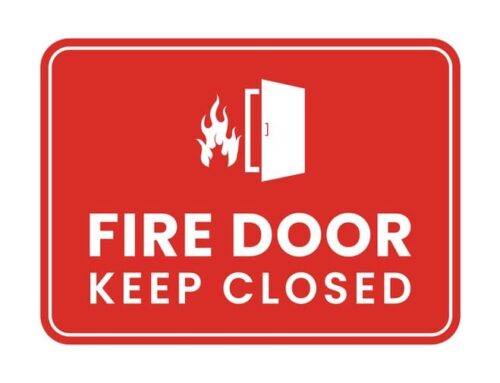
- Keep clear of fire aisles, stairways, doors and emergency equipment. Blocking these areas can delay emergency response and create serious safety risks.
- Do not obstruct pedestrian walkways or traffic lanes. Forklifts parked in high-traffic areas increase the chance of collisions and injuries.
- Stay away from blind corners and areas with poor visibility. These spots make it harder for others to see the forklift, increasing the risk of accidents.
- Avoid parking under overhead obstructions. Raised forks or mast components can strike beams, pipes or sprinklers, causing damage or hazards.
Forklift Parking Procedures
Parking a forklift safely involves more than just turning off the engine. It requires a series of deliberate steps to ensure the equipment is secure and cannot move unexpectedly. These actions protect the operator and everyone in the work area.
A forklift left in an unsafe condition can roll away, tip over or be operated by someone who is not trained.
Always follow these steps to secure the forklift when parking:
- Lower the forks completely to the floor. Raised forks are a tripping hazard and can damage equipment or structures.
- Neutralize all controls and set the parking brake. This prevents unintended movement and ensures the forklift remains stationary.
- Turn off the power and remove the key. This step prevents unauthorized use and reduces the risk of accidental activation.
- Exit the forklift without jumping. This lowers the risk of unnecessary injury.
- Block the wheels if parked on an incline. Wheel chocks provide extra security against rollaway.
- Verify the forklift is stable and cannot move unintentionally. A quick check can prevent costly accidents.
What Not to Do
Failing to follow proper parking procedures can create dangerous situations. These mistakes often seem minor but can lead to serious injuries, equipment damage or even fatalities. Avoid these unsafe practices:
- Leaving forks raised when parked—Leaving the forks raised even a small amount creates tripping hazards.
- Parking on an incline without wheel blocks—Even a slight slope can cause the forklift to roll, especially if the brake fails.
- Leaving the engine running or the key in the ignition—This makes it easy for an untrained person to operate the forklift, increasing the risk of accidents.
- Blocking exits, fire equipment or emergency routes—These areas must remain clear at all times for quick evacuation and emergency response.
- Assuming a short time away from a forklift doesn’t require a full shutdown—Many accidents occur because operators think they’ll only be gone for a moment. It is important to always follow complete parking procedures, no matter how short of a time you think the forklift will be unattended.
Conclusion
Parking a forklift safely is just as important as operating it safely. Always follow OSHA requirements and workplace rules to prevent accidents and injuries. If you have questions about forklift safety, contact your supervisor.