
Construction Risk Advisor Newsletter – Cold Weather
Posted February 23, 2026
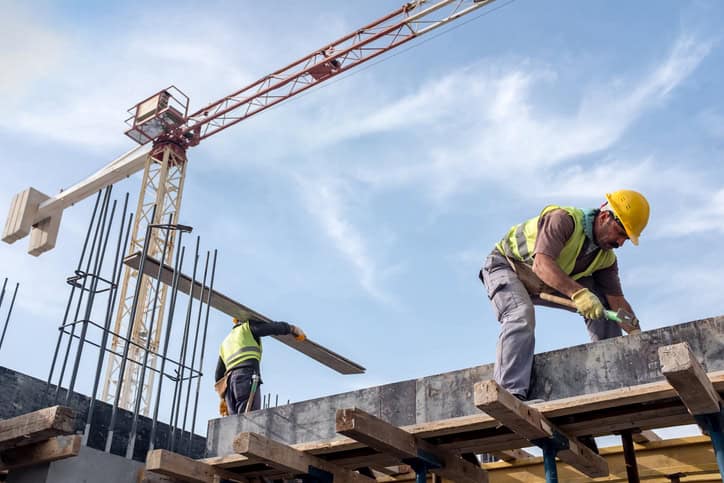
Cold weather brings more than discomfort to the job site—it can seriously affect workers’ alertness, responsiveness, and overall safety. For construction employers, understanding cold‑weather hazards and implementing effective prevention strategies is essential to keeping crews safe during the winter months.
Below, we break down the key risks associated with working in cold conditions and provide practical steps employers can take to protect their teams.
How Cold Weather Impacts Construction Workers
Cold temperatures place significant physical and mental stress on the body. This can lead to decreased performance, impaired judgment, and a higher risk of accidents. Common cold‑weather risks include:
Slower Reaction Times
When exposed to cold temperatures, the body redirects blood flow away from extremities to preserve core warmth. This can result in numbness, reduced coordination, and loss of fine motor control—making it harder to safely use tools and equipment.
Impaired Decision-Making
Cold stress drains the body’s energy, reducing cognitive function and decision-making ability. This can lead to mistakes and lapses in judgment. According to NMS Health, 38% of outdoor workers experience seasonal depression, which can further increase mental fatigue and reduce alertness.
Cumulative Fatigue
Prolonged exposure to cold or freezing conditions accelerates physical fatigue. In fact, 39% of outdoor workers report having to stop working due to winter-related health issues, according to NMS Health. Fatigue can increase the risk of errors, slower response times, and accidents.
Restricted Mobility
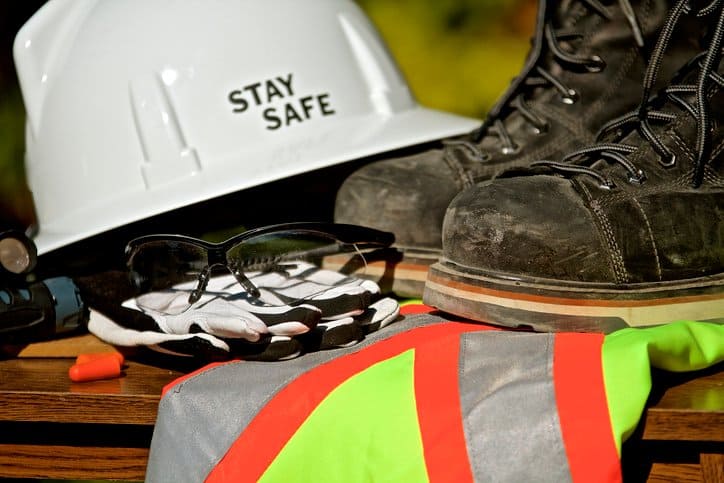
Cold-weather PPE and layered clothing help retain warmth, but they can also restrict movement, reduce visibility, and make it harder to handle tools safely. If PPE isn’t selected carefully, these limitations can create additional risks on the job site.
Together, these factors can elevate the likelihood of various incidents—such as equipment operation errors, backing accidents, slips and falls on ice, and injuries caused by reduced dexterity.
Strategies to Prevent Cold‑Weather Fatigue and Injuries
Construction employers can significantly improve worker safety during cold weather by implementing recommended practices from OSHA, the CDC, and the National Institute for Occupational Safety and Health (NIOSH). Key strategies include:
Rotate Tasks and Limit Exposure
Regularly rotate workers through tasks or shift assignments to minimize prolonged exposure to cold temperatures. Monitoring overtime and shift length is critical, and for long-duration tasks, consider using relief crews to reduce cold stress and fatigue.
Schedule Warm-Up Breaks
Frequent breaks in heated shelters help workers restore their energy, increase body temperature, and maintain overall alertness. These breaks can be essential for preventing cold-related illness and fatigue.
Encourage Reporting of Fatigue
Employees may hesitate to report fatigue or safety concerns due to job pressures or fear of retaliation. Employers should promote open communication and emphasize that reporting symptoms early can prevent accidents.
Provide Appropriate Cold‑Weather PPE
Ensure workers have access to PPE that provides adequate warmth without restricting mobility or visibility. When selecting PPE, consider the specific job tasks, environmental conditions, and the need for dexterity.
Conduct Winter-Specific Safety Assessments
Perform job safety analyses designed specifically for winter hazards—such as icy surfaces, reduced daylight, and cold stress. Train employees on how cold conditions impact safety and operational performance, and ensure they can recognize signs of fatigue and cold-related illness.
Final Thoughts
Fatigue in cold weather is a predictable and preventable risk. By prioritizing scheduling, supervision, and winter‑specific safety controls, construction employers can significantly reduce injuries and create safer working conditions throughout the coldest months of the year.
For more information on cold-weather safety measures and injury prevention, contact us today.